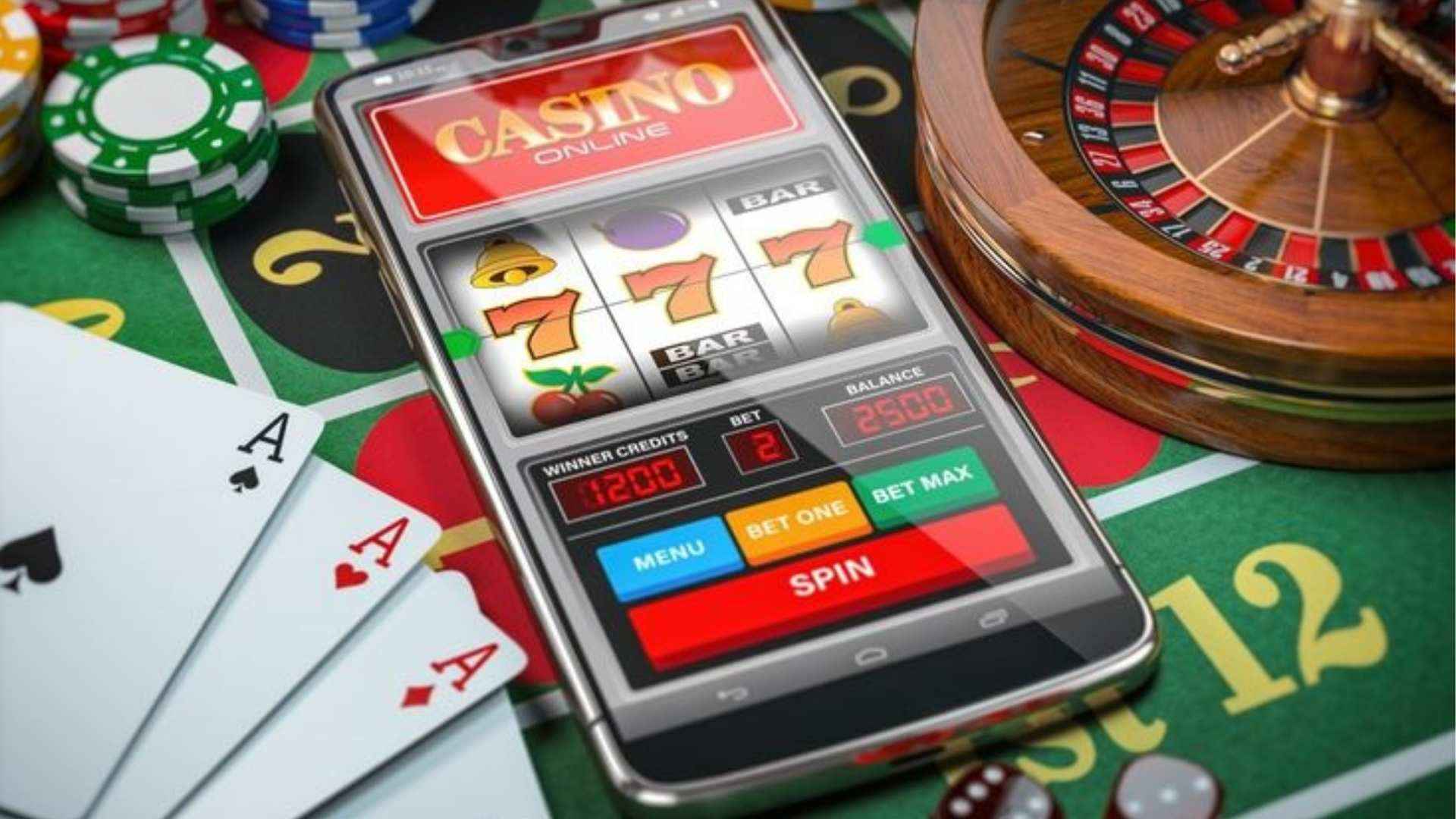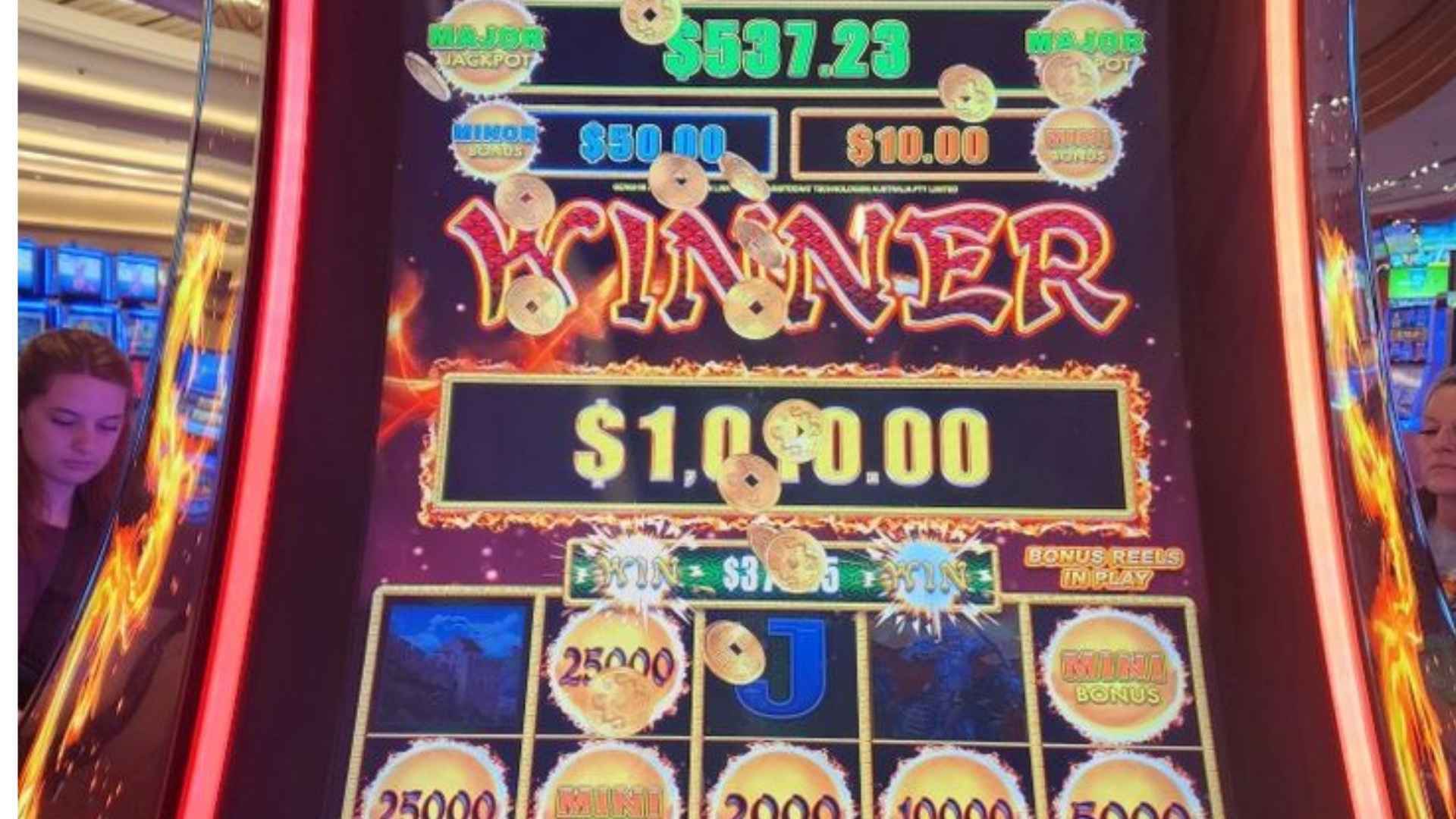
Modern digital titles are constantly discovering new methods to keep players engaged beyond traditional core gameplay loops. One emerging trend involves incorporating interactive mini games that unlock only when specific numerical patterns or sequences land during a session. This innovative mechanic blends numerical anticipation with dynamic secondary challenges, transforming standard draws into multi-layered entertainment experiences.
The Mechanics of Triggering Secondary Gameplay
Interactive mini games function as hidden features embedded within the broader numerical system. When a player matches specific combinations—such as consecutive digits, prime numbers, or identical sets—the primary interface seamlessly transitions into a specialized side game. These mini rounds range from interactive prize wheels to strategy-based puzzle grids, giving users a sudden break from routine gameplay.
By tying these events to precise mathematical triggers, game developers maintain total algorithmic fairness while enhancing overall engagement. Players enjoy a distinct layer of unpredictability, knowing that any given turn might activate a unique interactive module. This design keeps every draw exciting and dynamic throughout long entertainment sessions.
How Special Combinations Enhance Player Engagement
Integrating numerical unlocks into digital titles encourages users to pay closer attention to outcome patterns and numerical distributions. Rather than focusing solely on standard payouts, participants actively watch for specific sequence triggers that offer unique interaction opportunities. This heightened awareness turns passive watching into a more active analytical experience.
Furthermore, the element of surprise provided by sudden bonus features keeps the overall session pacing refreshed. When a mini game activates, it changes the visual landscape and introduces distinct rules for a short period. This contrast effectively prevents repetitive fatigue, keeping players invested in the ongoing digital environment.
Designing Balanced Mini Game Experiences
Creating effective mini games requires a careful balance between accessibility and reward design. Developers must ensure that secondary challenges are easy to grasp within seconds so they do not disrupt the flow of the primary session. Simple choices, visual choices, and instant action elements are ideal for keeping the momentum high.
Additionally, transparency regarding trigger odds remains essential for building user trust. Platform operators often outline the mathematical probability required to hit specific special combinations, giving players realistic expectations. Clear design combined with fair algorithmic odds ensures that these features remain fun and trustworthy additions to modern titles.
Future Trends in Numerical Bonus Features
As gaming software advances, secondary numerical triggers are becoming increasingly personalized and visually rich. Emerging platforms are beginning to experiment with skill-based bonus games and multiplayer mini challenges unlocked by shared draw results. These innovations foster a community atmosphere where participants celebrate visual milestone triggers together.
Ultimately, combining numerical probability with secondary interactive features represents a major evolution in casual digital design. By continuous refinement of visual presentations and trigger mechanics, developers ensure that players remain entertained through engaging, multifaceted experiences. The future promises even more creative integrations of numbers and interactive play.