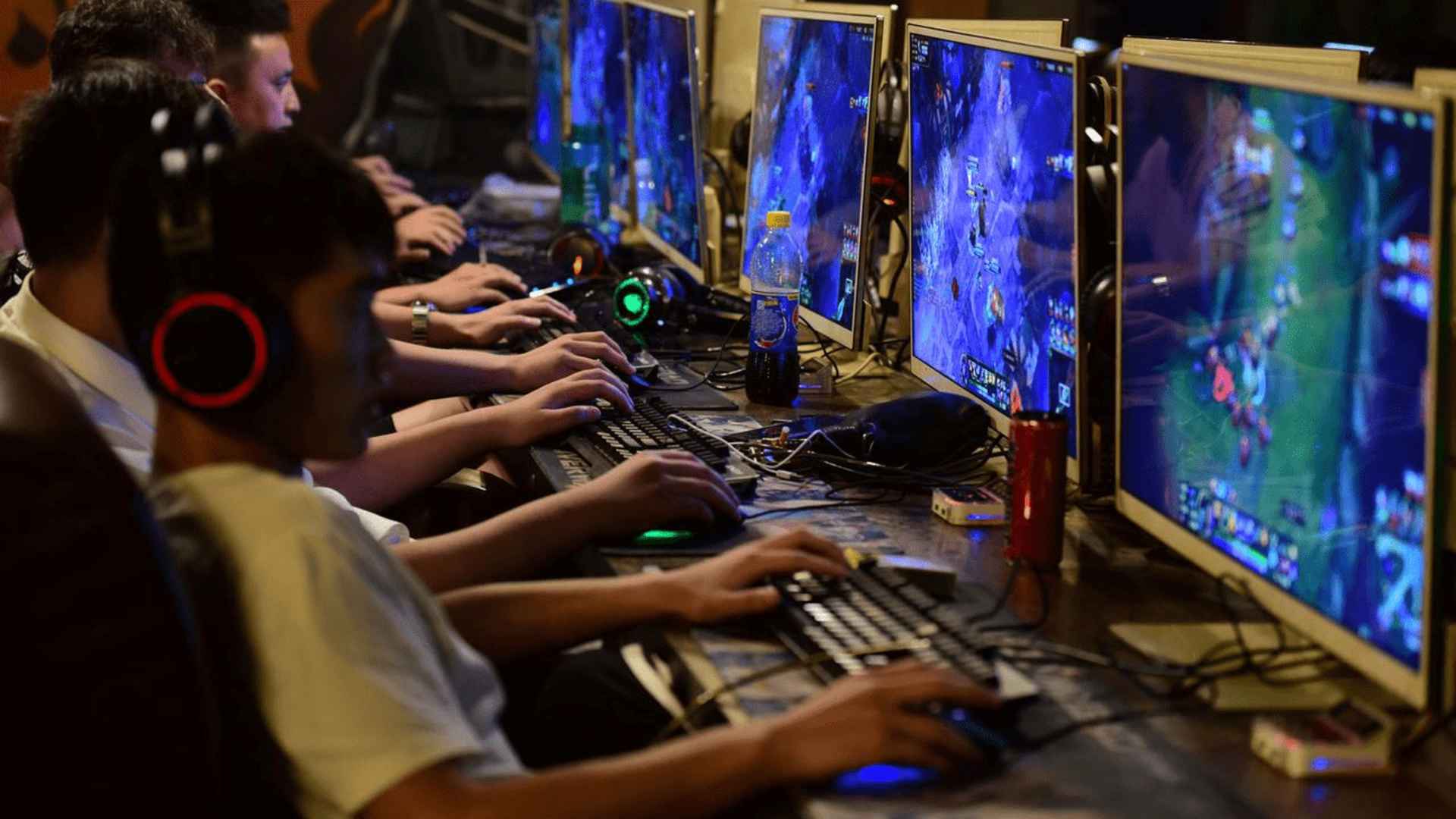
The landscape of modern online interactive entertainment has shifted drastically away from strict, unchanging rules toward fluid design frameworks. Game developers are now prioritizing player comfort by creating scalable environments that adjust to various group styles and individual play timelines. This evolution allows diverse player communities to enjoy shared virtual journeys without facing rigid structural barriers.
The Evolution of Fluid Team Design
Traditional multiplayer setups often required fixed team roles, forcing participants into narrow play patterns that could become repetitive over time. Modern game architectures are breaking these boundaries by allowing players to seamlessly shift their functions and strategies mid-match. This adaptability ensures that a single group can tackle complex challenges creatively without needing a perfectly optimized character composition.
By implementing dynamic networks that adapt to the real-time decisions of a group, studios are fostering much higher engagement rates. Players feel empowered when they can experiment with hybrid mechanics rather than being locked into traditional roles. This design philosophy directly encourages long-term retention and reduces the friction often found in competitive gaming circles.
Balancing Varied Skill Levels and Mechanics
One of the greatest challenges in cooperative design is ensuring that both veterans and beginners find the experience rewarding. Flexible systems address this by scaling environmental difficulties and puzzle complexities based on the active participants. As a result, highly skilled individuals can mentor newcomers without trivializing the overall challenge presented by the game.
To explore dynamic entertainment hubs that implement sophisticated interaction features, players can check out M88 asia for modern online options. Platforms like these reflect a broader industry trend toward creating versatile systems that support diverse participant goals. When games accommodate multiple skill tiers simultaneously, they build much healthier and more inclusive online communities.
Future Trends in Collaborative Game Engineering
Looking ahead, the integration of data-driven adjustment systems will likely define the next generation of cooperative experiences. Artificial intelligence can now monitor team coordination metrics and subtly alter map layouts or objective requirements on the fly. This level of responsiveness keeps the gameplay fresh, ensuring that no two cooperative sessions feel identical.
Furthermore, cross-platform compatibility ensures that these adaptive systems operate smoothly across mobile, console, and PC environments. By eliminating hardware barriers alongside mechanical ones, developers are creating a truly global cooperative ecosystem. As these technologies continue to mature, the line between casual socialization and deep tactical collaboration will become increasingly seamless.