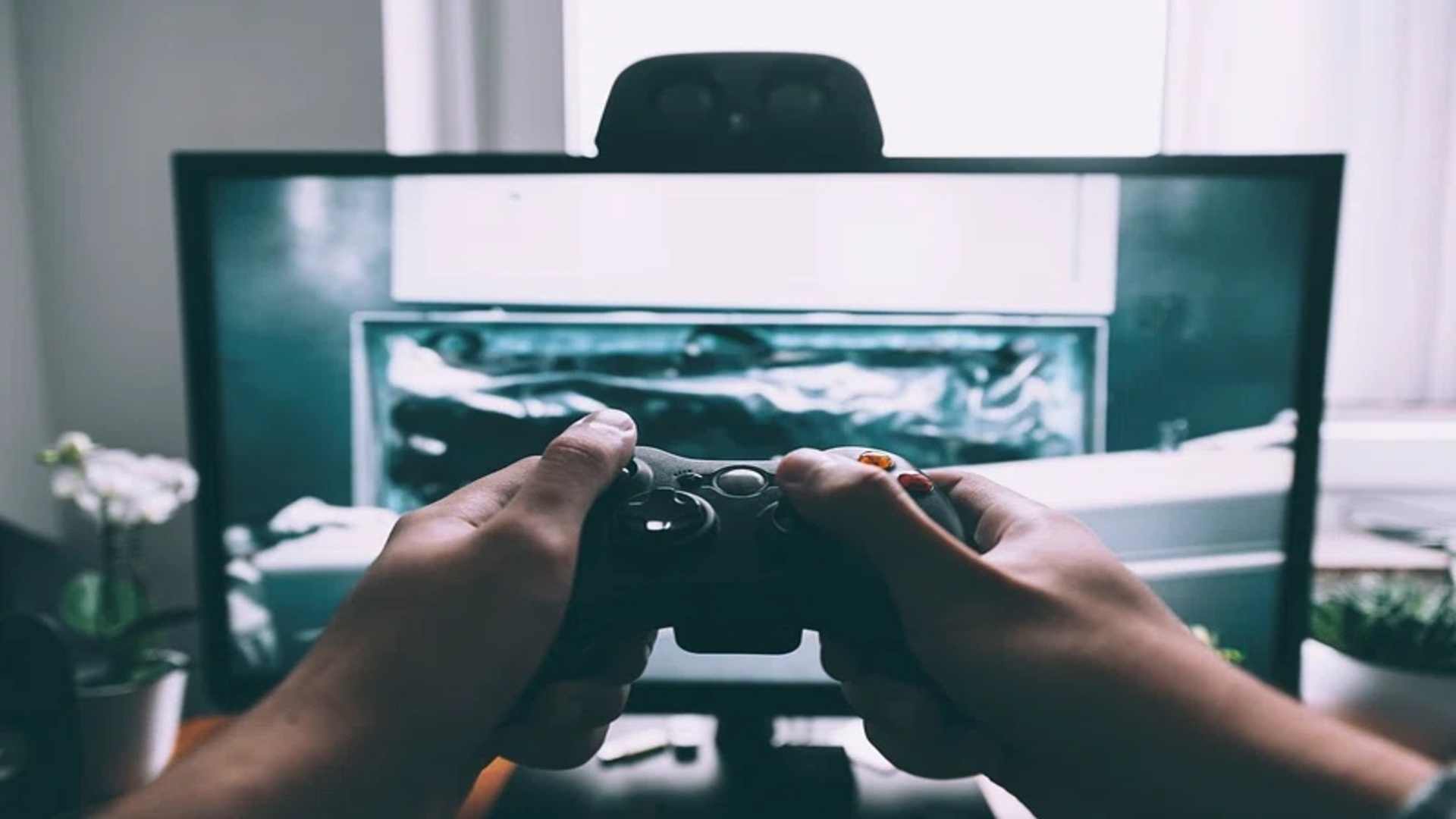
Solitaire is often viewed as a simple game of chance, but consistent play reveals a deep layer of strategic decision-making. Developing mastery in Solitaire requires sustained practice and keen observation over time. By repeating games intentionally, players can train their minds to recognize complex card patterns and refine their tactical choices.
Building Muscle Memory for Pattern Recognition
Repeated exposure to various card layouts enhances a player's ability to spot critical opportunities quickly. Over dozens of hands, your brain begins to instantly identify which tableau moves will unlock the most hidden cards. This natural pattern recognition reduces mental fatigue and allows for faster, more accurate evaluation during tough deals.
Regular practice also helps players memorize stock deck sequences more effectively. Understanding how cards cycle through the waste pile enables accurate forward planning across multiple turns. Mastering this visual awareness turns random card draws into predictable, manageable tactical options.
Refining Decision-Making Through Continuous Evaluation
Every hand of Solitaire presents distinct branching choices where a single move alters the entire outcome. By playing frequently, you learn to analyze the long-term consequences of placing a King or emptying a tableau column. Testing different approaches through repetition teaches you when to take calculated risks and when to hold back.
Frequent gameplay also highlights common tactical mistakes, such as rushing cards into foundation piles too early. Learning from failed attempts reinforces proper sequencing habits and builds strategic discipline. Players exploring mobile gaming experiences like m88 apk often discover that consistent practice sharpens focus across various digital formats.
Enhancing Patience and Adaptability
Repetition fosters psychological resilience by encouraging players to stay calm during difficult layouts. Facing challenging boards repeatedly trains you to maintain patience rather than making hasty, impulse moves. Over time, this mental composure becomes a core strength that improves overall winning consistency.
Adaptability grows as you encounter diverse card distributions that demand flexible thinking. Practicing regularly forces you to pivot your strategy whenever initial plans become blocked. Accepting that not every game is winnable allows you to focus purely on executing the highest quality moves possible.
Establishing an Effective Practice Routine
To maximize skill development, Solitaire practice should be deliberate rather than passive. Setting aside dedicated time to analyze specific card configurations helps turn routine plays into meaningful learning sessions. Reviewing past moves enables you to discover better alternative paths you might have missed.
Short, focused practice sessions are generally more beneficial than long, mindless gaming marathons. Consistent daily engagement keeps your cognitive skills sharp and deepens your overall understanding of card dynamics. Through steady repetition, Solitaire transforms from a simple pastime into a rewarding mental exercise.